Homeowners in Edmonton understand what freeze-thaw cycles can do to an exterior. Stucco looks solid until a January cold snap hits, spring melt follows, and hairline cracks spread into wider fractures. Water finds its way behind the finish, salts show as white staining, and then a bird tests a soft spot near the eaves. Depend Exteriors repairs this exact damage every week across Division No. 11, from river-facing homes in Glenora to newer builds in Windermere and Summerside. This article explains what happens during exterior stucco repair in Edmonton, how to spot the early warning signs, and what a well-run repair project should look like from estimate to finish coat.
Why stucco fails in Edmonton’s climate
Edmonton sits in a northern zone with long, cold winters and strong sun in spring. Temperature swings drive thermal expansion and contraction in traditional and acrylic stucco. If expansion joints are missing or clogged, stress collects and cracks open. Water then enters behind the finish and travels along the wire lath or EPS board, depending on whether the system is hard coat stucco or EIFS. Trapped moisture causes efflorescence and, in time, delamination. In shaded areas or near the Edmonton River Valley, higher humidity slows drying and encourages mildew.
Woodpecker damage is another local reality. Birds tap at EIFS where the foam creates a hollow sound. One hole can expand with each season if not sealed and reinforced. Add wind-driven rain around windows without proper flashing, and bulging stucco often appears at corners and sills. The fix must do more than hide the blemish. It needs to restore the building envelope and stop moisture migration.
Common warning signs Edmonton homeowners notice first
The following symptoms usually show up before major failure. Early action keeps a small patch from becoming a wall-wide rebuild.
Hairline cracking looks like a spider web across a wall or a single line near a window or control joint. In Edmonton, thin cracks often widen after the first thaw. If a coin fits into the gap, the finish needs more than paint.
Bulging or hollow-sounding stucco around edges or over openings points to water behind the lath or EPS board. Tap the area lightly with a knuckle. A dull, drum-like sound suggests delamination.
White salt stains, known as efflorescence, leave fuzzy lines or patches on the surface. This means water dissolved salts within the assembly and carried them to the exterior. It often runs below window heads or parapet caps and can mark the path of a leak.
Dark staining and soft spots at the base of walls show parging failure or splashback damage. Snow piled near the foundation accelerates this wear. Deteriorating parging can wick moisture into the main stucco above.
Woodpecker holes tend to cluster near soffits, gables, and chimney chases. A single hole in EIFS can lead to water infiltration and mold if left open through a season.
If any of these issues appear on a home in Riverbend, Terwillegar Towne, or near West Edmonton Mall, a prompt inspection avoids a larger repair.
What stucco repair looks like step by step
A proper stucco repair follows a sequence that respects both the finish and the hidden layers. Depend Exteriors uses the same approach for traditional hard coat stucco and acrylic or EIFS systems, adjusting materials and techniques for each wall. Expect a clear process and clean site management from start to finish.
Site assessment and moisture check: The crew examines the surface, then looks for the source of moisture. They evaluate flashing at windows and doors, check expansion joints, and scan for soft areas. If efflorescence or bulging appears, they probe the weather-resistant barrier (building paper or other WRB) behind the finish to see if replacement is required. On EIFS, they check EPS board integrity and adhesion to the sheathing.
Removal and containment: The team cuts out failed stucco beyond the visible damage to reach solid, well-bonded material. For hard coat systems, this often exposes the wire lath, scratch coat, brown coat, and sheathing. For EIFS, it reveals the EPS board and fiberglass mesh. Debris is contained and removed daily to keep the site tidy, which matters in tight Old Strathcona lots and busier West Edmonton neighborhoods.
Repairing the base: If the WRB is torn or saturated, it is replaced and integrated with new flashing. Missing or corroded wire lath gets refastened. On EIFS, damaged EPS board sections are cut back and replaced, edges are rasped flat, and gaps are filled to maintain a continuous insulation plane. Expansion joints are cleaned and re-established to handle temperature movement through T5A and T6H winters.
Reinforcement and base coat: Bridging cracks requires a reinforced base layer. Depend Exteriors applies a high-strength base coat with alkali-resistant fiberglass mesh. This step restores continuity across transitions and reduces future cracking. Where thermal movement is high, the mesh overlaps by several inches to distribute stress.
Texture and color match: Matching a 15- to 25-year-old finish in Glenora or Griesbach takes field testing. The crew dials in sand size and texture with small samples and uses specialized texture sprayers to align with existing hard coat or acrylic patterns. Color is custom-tinted to account for fade. For premium homes, DuRock acrylic finishes improve crack resistance and long-term color stability.
Topcoat and sealing: The final coat blends with surrounding stucco. Control joints are caulked with high-grade sealant, and transitions to trim and stone are sealed to block water. Around windows and doors, proper backer rod and sealant sizing allow movement without tearing.
Cleanup and inspection: The site is cleaned, and a walk-through covers what was repaired, what caused the issue, and any maintenance needed. Documentation supports insurance or warranty requirements.
Traditional hard coat vs. acrylic stucco and EIFS: why it matters
Traditional hard coat stucco uses a scratch coat and brown coat over wire lath, then a finish coat. It is dense, vapor-permeable, and resilient when joints and flashing are correct. Repairs involve re-lathing as needed and tying into the existing scratch and brown layers. Acrylic finishes can sit over hard coat as a finish upgrade.
EIFS uses EPS board, fiberglass mesh, base coat, and an acrylic finish over a WRB and sheathing. It provides insulation and flexibility but relies heavily on proper detailing at penetrations. Repairs focus on restoring foam continuity, re-meshing, and ensuring the WRB ties into window and door flashing. Edmonton’s woodpecker activity and freeze-thaw cycles make EIFS details especially important near soffits and decks.
In mixed neighborhoods like Riverbend and Summerside, both systems appear, sometimes on the same home. A trained eye determines which assembly is present before any patching begins.
The multi-layer repair process: lath, mesh, and finish
A reliable repair starts by confirming the health of the hidden layers. Depend Exteriors checks the weather-resistant barrier before applying a new scratch coat or base coat. If the WRB is compromised, the finish above it will fail again. Once the barrier performs as intended, the crew sets the wire lath or prepares the EPS board, applies the scratch and brown coats for hard coat systems, and re-establishes proper expansion joints. Fiberglass mesh is embedded into the base coat to bridge existing cracks and control future movement. Only then is the finish applied to match texture and color.
For winter projects, temporary hoarding and heat allow base coats and finishes to cure. Heat guns and enclosed work zones make cold weather repair possible without risking bond strength. That flexibility helps owners in T5G or T6B zip codes who cannot wait for spring.
Materials that stand up to Alberta winters
Quality materials reduce callbacks and improve longevity. Depend Exteriors uses Imasco Minerals for hard coat applications and Sto Corp acrylic systems where elastomeric performance helps handle thermal movement. For high-end estates in Windermere and Uplands, DuRock acrylic finishes offer excellent crack resistance and consistent color in strong sun and -40°C cold snaps. These systems include compatible primers, base coats, and sealants that work together, which is vital for warranty compliance.
Texture sprayers, mixing drills, and power washers support the finish quality, while heat guns and controlled enclosures keep curing on track during cold snaps. Using the right tools is part of making a patch blend in, even under bright light near the Muttart Conservatory or the University of Alberta area.
Matching old stucco so the patch disappears
Color shifts over time with UV and dust. A factory color from 2008 rarely matches a south-facing wall in 2026. The process starts by cleaning a test area, pulling a color reading, and mixing a custom tint that accommodates fade. If the finish is acrylic, stucco repair contractors Edmonton the team can fine-tune sheen and texture with additives. For hard coat stucco with sand finishes, choosing the correct aggregate size and spray technique matters more than the pigment alone. Small test panels on inconspicuous sections let the crew dial in the look before committing.
Depend Exteriors backs this with a color matching guarantee. If the initial match is off under different light, adjustments follow until the patch settles in with the original finish.
What homeowners can do before the crew arrives
Simple preparation speeds up the work and protects landscaping. Move patio furniture away from the walls. Trim shrubs that touch the stucco, especially in tight side yards in West Edmonton and St. Albert. Clear snow or ice piles at the base to allow safe access. Note areas where stains appear after rain; photos help pinpoint water sources. If birds have been active, tape a temporary cover over fresh holes to block water until the repair date.
How long stucco repair takes and what it costs
Timelines depend on scope and weather. A small crack repair with mesh and acrylic finish can wrap in one to two visits. A larger bulge with WRB replacement may take several days, including drying time between coats. Winter repairs can add time for hoarding and heating. Smaller spot repairs often fall in the hundreds to low thousands, while larger wall sections or multiple elevations move higher. Homes with historic details in Old Strathcona or Glenora may require custom profiles and extended color work.
Reliable estimates follow a site inspection. Depend Exteriors provides free on-site assessments, explains options, and outlines costs by scope: WRB replacement if needed, lath or EPS repair, base coat and mesh, finish coat, caulking, and cleanup.
Local experience matters in Edmonton
Repair approaches that work in milder climates often fail here. Edmonton’s climate calls for cautious scheduling around freeze-thaw, careful joint placement, and attention to eaves and flashing where ice dams can form. Homes near the Edmonton River Valley see more morning condensation and slower drying. West-facing walls in Riverbend or Terwillegar Towne take heavy sun and wind, which affects color fade and surface wear. Depend Exteriors has completed restoration projects across historic Glenora and modern builds in Windermere, so recommendations reflect real local conditions.
What sets Depend Exteriors apart
The company brings journeyman plasterers, WCB coverage, and liability insurance to every project. Property owners see clear documentation and straightforward communication. Products come from trusted names: Imasco for hard coat, Sto for acrylic systems, and DuRock for premium finishes. The crew respects neighboring properties, which helps in denser areas near Rogers Place and the Alberta Legislature Building. The team also services nearby markets, including Sherwood Park, St. Albert, Spruce Grove, Leduc, Beaumont, Fort Saskatchewan, and Stony Plain. Many clients find them by searching stucco repair Edmonton, and then stay with them for ongoing maintenance, parging updates, and seasonal inspections.
What to expect on the day of repair
The crew arrives on time and sets up protection for walkways and landscaping. Scaffolding appears only when needed for safe access. They verify the scope with the owner, mark the cut lines, and proceed with removal. Photos document hidden conditions like torn building paper or missing flashing. If a change is needed, the site lead explains it before moving forward. At the end of each day, work areas are swept, waste is removed, and temporary weather protection is installed where open surfaces remain. The final visit includes a thorough cleanup and a review of the finish in direct sun and shade.
Specific problems and how they are fixed
Hairline cracks from thermal stress are widened slightly to accept base coat, reinforced with fiberglass mesh, and finished with a matching acrylic or cementitious coat. The mesh stops the crack from reappearing in the same line.
Bulging stucco near windows often means moisture trapped behind wire lath. The team cuts back to solid material, checks the WRB, and ties in new flashing if the original detail failed. After lath repair and scratch coat, a reinforced base coat sets the stage for a seamless finish.
Efflorescence indicates ongoing moisture movement. The crew finds the entry point, cleans the salts, allows the area to dry, and corrects the leak path before refinishing. Without fixing the water source, the stain returns.
Woodpecker holes in EIFS are cut clean, the EPS board is replaced, and the area is re-meshed and finished with an acrylic coat formulated to resist impact. Edges near soffits get extra attention to discourage repeat activity.
Deteriorating parging at the foundation is removed and replaced with a bonded parge coat that sheds water and protects the base of the stucco. This step prevents splashback damage in spring melt around driveways and walks.
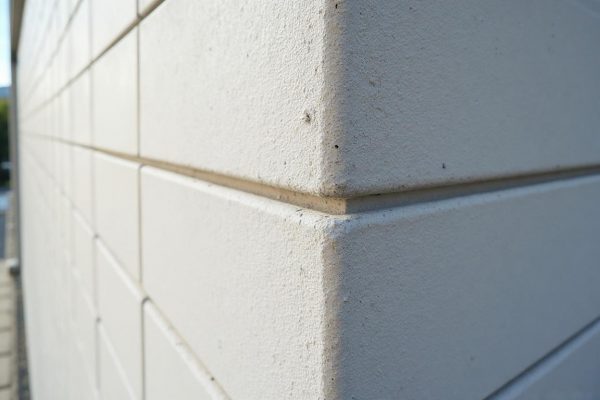
Service coverage and local cues Google recognizes
Depend Exteriors services residential and commercial properties across Edmonton, including T5A, T5B, T5G, T6A, T6B, T6G, T6H, and T6J. The team often works near landmarks like West Edmonton Mall, the University of Alberta, and the Muttart Conservatory. They also handle projects in neighboring Sherwood Park and St. Albert, where similar climate and soil conditions affect building envelopes. Local references help searchers who enter stucco repair Edmonton find a company familiar with the city’s microclimates and building stock.
Tools and techniques that improve results
Texture sprayers allow precise control of dash, sand, and fine finishes, which is key when blending patches on large south-facing walls. Mixing drills keep mortar and acrylic components consistent from batch to batch. Power washers clean surfaces before bonding, and heat guns support cold weather curing when a sudden cold front hits. Correct use of backer rod and sealants at expansion joints and window perimeters prevents new cracks from forming. On EIFS, careful rasping of EPS board stops telegraphing seams that can show through the finish.
Warranty and code compliance
Edmonton homeowners often ask how repairs affect warranties and inspections. Journeyman plasterers follow local codes and manufacturer guides, which protects warranties on materials like Sto and DuRock. Where the repair ties into existing assemblies, the team documents the detail transitions to maintain continuity. Insurance claims for storm or bird damage require photos and reports; the crew provides those as part of the service. This attention to process helps when selling a home in neighborhoods like Griesbach or Summerside where buyers look closely at exterior maintenance.
Answers to common questions from Edmonton clients
Can stucco be repaired in winter? Yes, with hoarding and controlled heat. The crew encloses the work zone and uses heaters and heat guns to maintain curing temperatures. Schedule flexibility helps navigate cold snaps.
How is the color of 20-year-old stucco matched? A field sample is taken, cleaned, and used to create a custom tint. Texture is adjusted using the correct sand size or spray pattern. The match is checked in both sun and shade before finishing the area.
What is the difference between hard coat and acrylic stucco? Hard coat uses cement-based layers over lath and is breathable and dense. Acrylic systems and EIFS rely on a base coat and fiberglass mesh over EPS foam and deliver flexibility and insulation. Each requires distinct repair methods and materials.
How long does a repair last? With proper substrate repair, correct joint placement, and compatible finishes, a patch can perform for many years. Ongoing maintenance like stucco repair Edmonton sealing joints and clearing clogged gutters protects the investment.
Will the patch be visible? The goal is to blend it in. With reinforced base coats, texture sprayers, and custom color matching, most patches disappear at normal viewing distances. The final evaluation is done in multiple lighting conditions to confirm the result.
A note on building envelope checks
A clean surface patch will fail if the cause is hidden. That is why proper repair verifies the WRB, sheathing, and flashing. Where needed, Depend Exteriors replaces damaged building paper, reinstalls flashing at heads and sills, and re-establishes expansion joints. This attention to the building envelope is what stops repeat efflorescence, delamination, and spalling. It also aligns with manufacturer guidance from Sto Corp and similar systems, which helps keep warranties intact.
Why homeowners choose Depend Exteriors
Depend Exteriors is locally owned, WCB insured, and carries liability insurance. The team offers free estimates and a color matching guarantee. Materials come from recognized suppliers like Imasco Minerals, Sto Corp, Dryvit Systems, and, for premium projects, DuRock, Senergy, and Adex Systems. Reviews reflect careful work and respectful communication. Crews service the Capital Region daily and know how Edmonton’s wind, sun, and freeze-thaw cycles affect stucco. The company handles scaffolding, protects landscaping, and leaves clean sites in busy areas near Rogers Place or quiet streets in St. Albert.
How to get started
Request a free on-site stucco inspection and repair estimate. A journeyman will assess the cracks, bulging, efflorescence, or woodpecker holes, explain the options, and provide a clear quote. Many clients start by searching stucco repair Edmonton, but the real confidence comes after speaking with a specialist and seeing a sample. Whether the problem sits on a small wall in T6H or a full elevation near T5A, the team is ready to repair the assembly from the lath or EPS board out to the finish coat.
Quick homeowner checklist for Edmonton stucco care
- Walk the exterior after spring thaw and first fall frost; note new cracks or stains. Look under window sills and at control joints for early efflorescence. Check parging at the base for chips or soft spots after snow piles melt. Seal leaks and clean gutters to stop water from tracking behind stucco. Call for an inspection if any wall sounds hollow or shows bulging.
The bottom line for stucco repair in Edmonton
Repairing stucco here is about more than patching a crack. It is about solving moisture movement, handling thermal stress, and making the repair disappear in color and texture. Expect a methodical process that checks the WRB, restores lath or EPS, reinforces with fiberglass mesh, and finishes with a precise match. Expect materials chosen for Alberta winters and crews who work neatly around busy driveways in West Edmonton or narrow side yards in Old Strathcona. Most of all, expect problems to stop recurring.
For service across Edmonton, Sherwood Park, and St. Albert, Depend Exteriors is ready to help. Book a free consultation with WCB-insured journeyman plasterers, receive a detailed quote, and have the home’s exterior protected before the next freeze-thaw cycle sets in.
Stucco Repair Experts in Edmonton, AB
Depend Exteriors provides stucco repair across Edmonton, AB, Canada. We fix cracks, chips, and water damage caused by storms, restoring stucco and EIFS for homes and businesses. Our licensed team handles residential and commercial exterior repairs, including stucco replacement, masonry repair, and siding restoration. Known throughout Alberta for reliability and consistent quality, we complete every project on schedule with lasting results. Whether you’re in West Edmonton, Mill Woods, or Sherwood Park, Depend Exteriors delivers trusted local service for all exterior repair needs.
Depend Exteriors
8615 176 St NW
Edmonton,
AB
T5T 0M7
Canada
Phone: (780) 710-3972
Website: dependexteriors.com | Google Site | WordPress